The Story of the Famous Station Clock
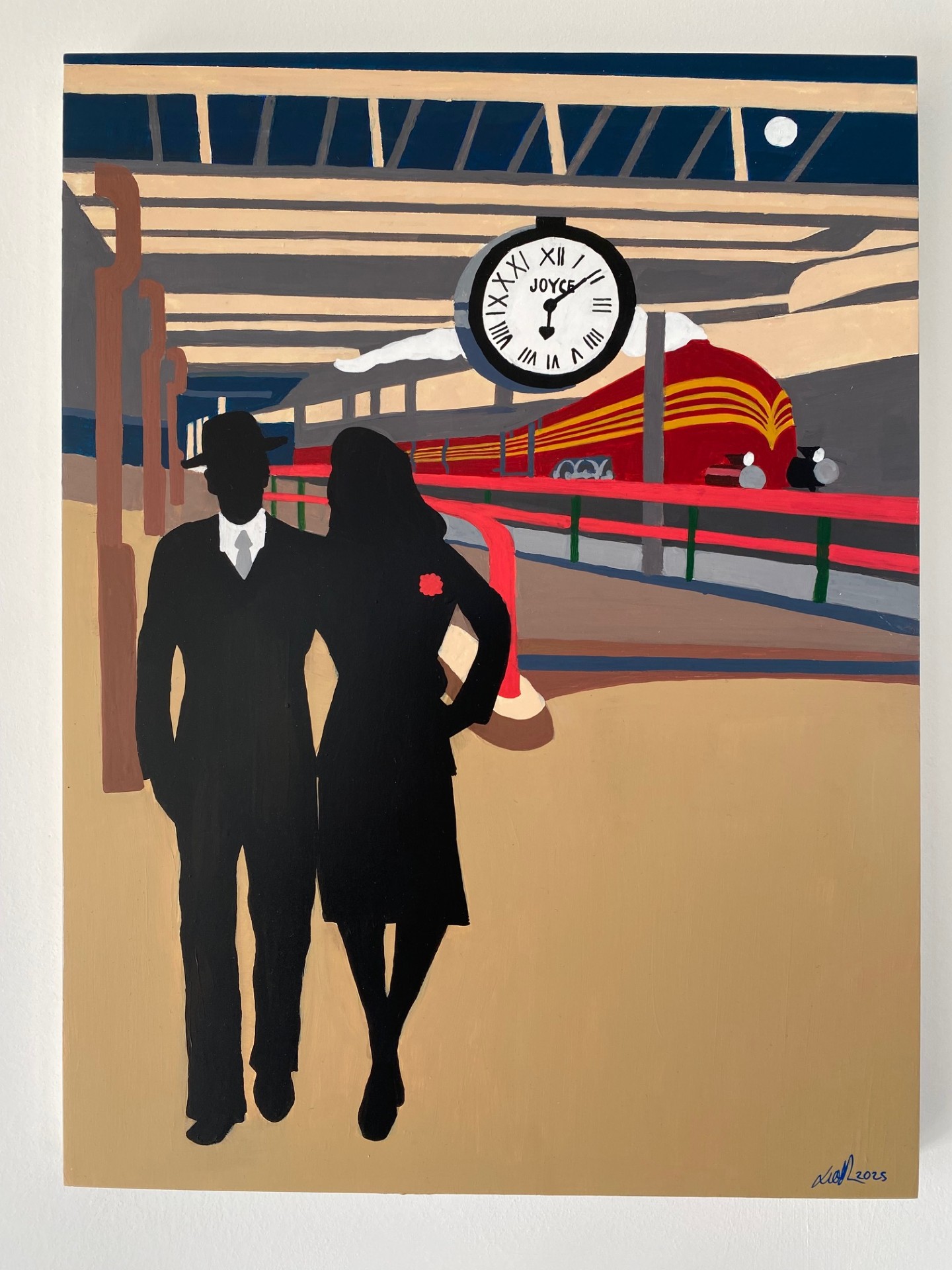
At Carnforth railway station, few features capture the imagination quite like the famous station clock.
For generations, it has been more than a way to tell the time. It became part of British film history through Brief Encounter, helping to turn Carnforth into a place of romance, nostalgia and national cultural significance. Network Rail has itself recognised the station’s association with the film, noting the distinctive platforms and clock that made Carnforth instantly recognisable to audiences.
The clock’s story is also closely tied to the remarkable revival of Carnforth station itself. When local people came together to rescue and restore the station, Peter Yates played a central role in that effort. In Parliament, Carnforth’s restoration was praised as a community-led success, and Peter Yates was specifically credited with sourcing the original clock and ensuring its return to the station during the wider regeneration project.
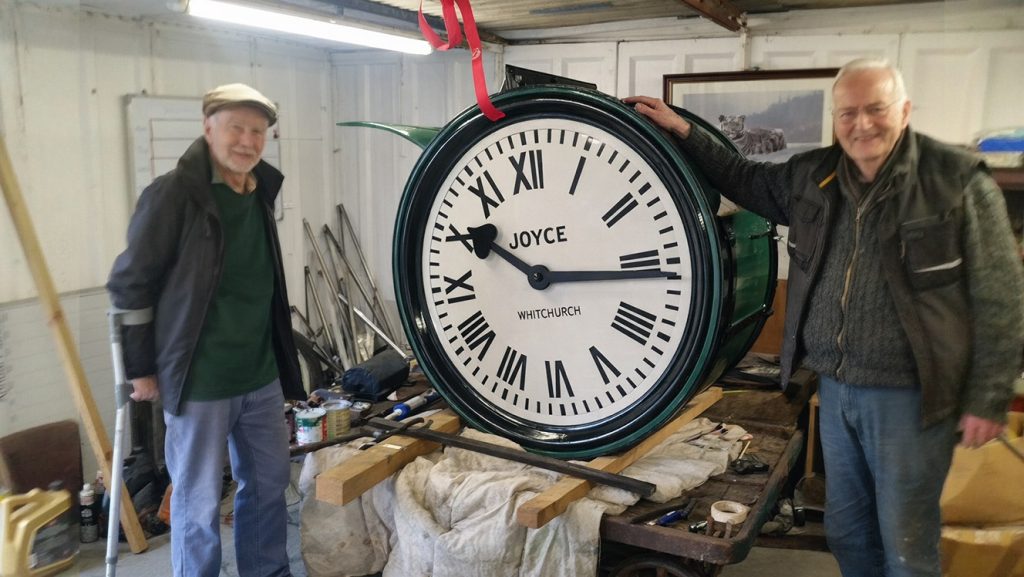
That made the clock far more than a decorative feature. It became a centrepiece of the station’s heritage, representing both Carnforth’s railway history and its place in the story of British cinema. Specialist and heritage sources have identified it as a historic Joyce of Whitchurch clock, with long-standing local accounts describing how the original was traced, restored and brought back after earlier removal from the station.
In more recent years, however, the clock’s future became uncertain again. Reports in 2024 confirmed that it had been removed some years earlier because of safety and condition concerns, after exposure to the elements had taken its toll. For many local people and visitors, its absence was deeply felt. The clock is not just an object on a platform — it is one of the defining symbols of Carnforth station.
Now, there is renewed momentum behind its return.
Michael Smith of BDS Fuels said: “The clock has been part of our family ever since my father bought it, and over the years we have been proud to support both the station and the Heritage Centre, including efforts to see the clock returned to its rightful place in the station.”
With the support of Network Rail, local stakeholders and dedicated volunteers, efforts have been under way to see the clock restored to its rightful place at the station. That makes this more than a practical reinstatement. It is a meaningful moment for Carnforth: the return of a landmark that links the town’s past, its heritage centre, and the memories of everyone who has admired the station through the years.
For those who know Carnforth, the clock stands for something bigger than metal, mechanism and masonry. It speaks of local pride, perseverance, and the power of people who care enough to preserve what matters. In an age when so much heritage can quietly disappear, its return is a reminder that some things are worth fighting for.
And at Carnforth, this clock is one of them.